
College of Healthcare Sciences

Lisa Shaw
- Doctor of Philosophy (Health)
- lisa.shaw@jcu.edu.au
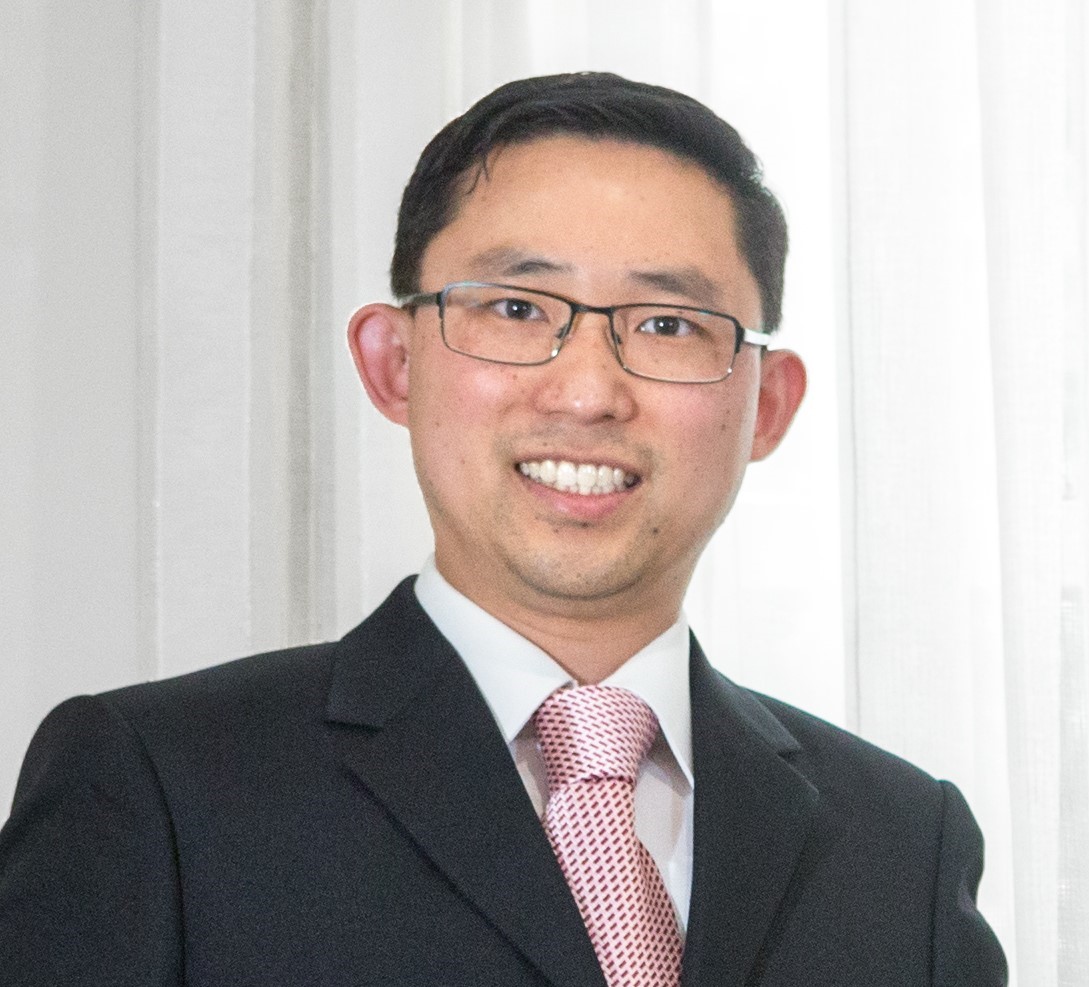
Stephen Yu
- Senior Lecturer, Nursing and Midwifery
- stephen.yu@jcu.edu.au

Karen Smith
- Lecturer, Nursing and Midwifery
- karen.smith6@jcu.edu.au
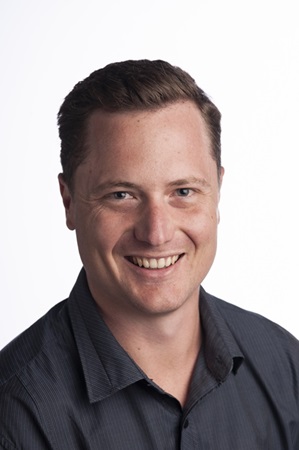
Chae Rose
- Lecturer, Psychology
- chae.rose@jcu.edu.au
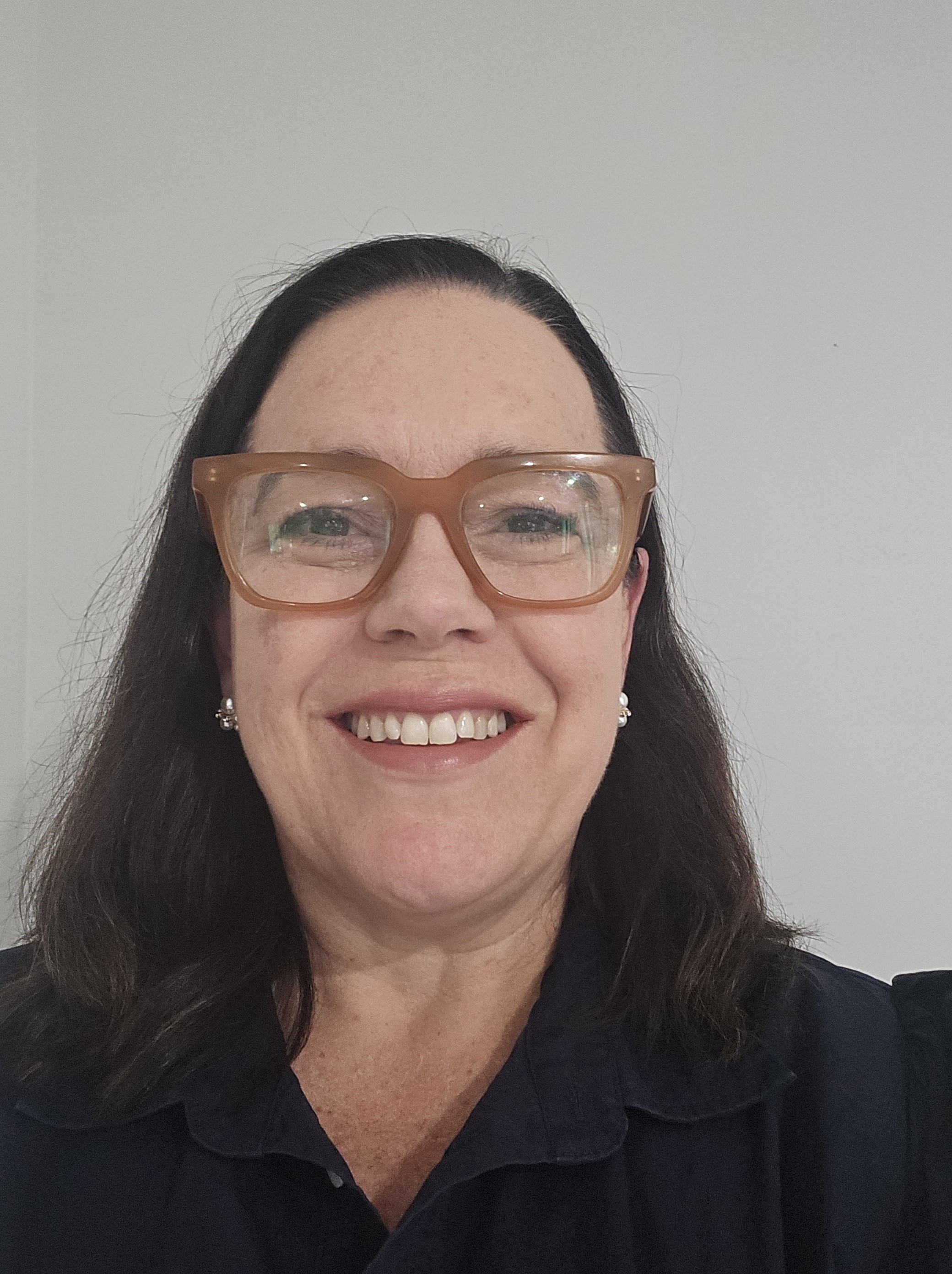
Helen Petsky
- Head, Nursing and Midwifery
- helen.petsky@jcu.edu.au

Lucy Bird
- Postdoctoral Research Fellow
- lucy.bird@jcu.edu.au

Matthew Yau
- Adjunct Professor
- matthew.yau@jcu.edu.au

Alyssia Merrick
- Doctor of Philosophy (Health)
- alyssia.merrick@jcu.edu.au
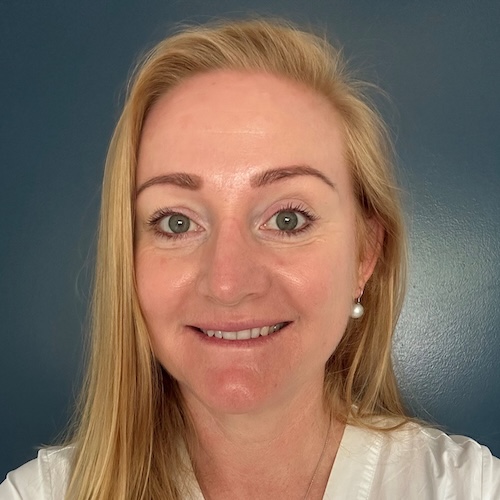
Louise Myles
- Adjunct Lecturer
- louise.myles@jcu.edu.au

Sandra Dash
- Lecturer
- sandra.dash@jcu.edu.au
The SUPPORT-TFMR Project: Strengthening the Understanding of Parental Preferences and Options for Receiving supporT during and following a Termination For Medical Reasons Project
Project led by Dr Sarah Fogarty to undertake research to inform the development of guidance for care related to termination for medical reasons (successful application - funded by Stillbirth Foundation to commence in 2025).
The care and support parents receive around their stillbirth is pivotal to how they manage their grief journey. The loss of a baby before they are born, or shortly after, has wide-reaching and long-lasting impact for parents, family members, and communities. Captured within the experience of stillbirth are parents who have experienced a termination for medical reasons (TFMR). Australian surveillance of stillbirth includes unborn babies with a congenital anomaly who died through TFMR. In fact, congenital anomalies were the leading cause of stillbirth in Australia in 2021.(1) While strides have been taken in antepartum stillbirth care over the last 10 years, this care and support does not always meet the needs of parents who have experienced a TFMR. The TFMR journey has unique challenges that are not experienced by parents who have a spontaneous loss. These challenges can include complex medical information, tests and waiting, time-pressured decisions based on uncertain or ambiguous information, isolation from typical supports, procedures to end the life of the baby or induction to deliver early, and stigma, judgement or dismissal of the perceived “choice” around TFMR. This is evidenced by a participant in our research who states:
“you get to make a decision which is a crappy decision that you don't want to make a choice on, and then you get to also carry that forever with you”.(2)
Parents who have experienced a TFMR have indicated that even though ‘miscarriage, stillbirth or neonatal loss’ might be how their loss is classified, they can struggle to feel part of the pregnancy and neonatal loss communities. Research shows that the burden of TFMR is high for parents, and this is an area where non-judgemental, compassionate, and sensitive support
Enhanced network of real-time tropical cyclone monitoring weather stations
This project seeks to build a fully functional mobile weather station network for disseminating real-time, community-based, weather data during tropical cyclones. The second aspect to this program is to relate the measured wind data against community perceptions.
Playgrounds with a purpose: Facilitating free physical activity opportunities at local community parks/playgrounds
This research seeks to determine how instructional videos demonstrating creative use of existing infrastructure available in public parks with playgrounds can increase community user accessibility to physical activity experiences.
Leveraging AI simulations for allied health education: Pilot study for Psychology
This project will test IDA with psychology students to determine its effectiveness before expanding to other healthcare disciplines, ultimately providing students college-wide (and university-wide) dynamic and scalable simulations
Exploration of park playground features and opportunities to advance fundamental movement skills and/or components of fitness for community users
This project aims to audit local community park playgrounds (i.e. playgrounds not on school/day care/kindy/private properties) to ascertain what physical activity opportunities they present community users to work on advancing fundamental movement skills (FMS) and/or components of fitness.
Embedding best practice physical and health assessment and monitoring technology in Exercise Science and Exercise Physiology subjects to enhance learning, teaching and assessment.
Study Aims:
• to increase student exposure to industry-specific software and hardware
• To explore student’s confidence with using API integrated technology to capture, interpret and report data within SP2016, SP3016, SP3020 and SP5206
• To explore student perceptions of the use of such technology in the assessment, prescription and monitoring of exercise interventions
Using industry-based technology to enhance student learning experience
Digital devices for assessment and digital skill development.
Project Smiling Gecko CAMBODIA - What Gaps can we impact?
JCU's mission is to create a brighter future for life in the Tropics, and this project aims to increase JCU's impact on livelihoods in remote communities in SE Asia.
By working with NGO Smiling Gecko Cambodia (SGC) which supports the needy population in Cambodia, the team can contribute to their self sustaining, ecologically and economically vibrant activities that aligns with UN SDG goals 4(quality education), 12 (responsible consumption & production), 14 (life below water) and 17 (partnerships for the goals).
SGC runs a school for 500 students, a farm house resort that employs several hundred employees, grows food crops, and runs tilapia ponds at their 105-hectare site that benefits 30,000 Cambodians in surrounding villages. SGC is committed to continuing growth and seeking partnerships with universities to develop programs for the continuing education of its young community.
The team seeks to identify how we can partner with SGC to identify gaps where we can make a difference to the local population, and where we can make an impact on their operation by building capacity. We propose a 3 days/ 2 nights site study and stakeholder engagement in October 2025. The immediate output will be a blue print for our future work with SGC and other remote communities, how we participate in their continual growth and showcase as a working model for other remote communities in SE Asia. We will seek suitable future funding opportunities from international financial institutions such as the World Bank or the Asian Development Bank.
Conceptualisation and measurement of maternal-fetal bonding
The purpose of this work is to build evidence relating to the (lack of) suitability of existing measures of maternal-fetal bonding for clinicians and researchers. Evidence of this nature will support our pitch for an ARC Discovery Project application to validate and test a new measure of the construct that is suitable for use in various populations (including CALD and Indigenous women).
Embedding best practice physical and health assessment and monitoring technology in Exercise Science and Exercise Physiology subjects to enhance learning, teaching and assessment.
The aim of this project is to introduce Application Programming Interface technologies and centralisation of reporting through TeamBuildr software along with increased access to velocity-based training (VBT; i.e. GymAware Flex) devices to increase student exposure to industry technology and related data collection, analysis and reporting processes. Familiarity of this functionality enables easy access to data and the ability for students to generate tangible reports for subject assessments and athlete/client needs, enhancing student employability and industry readiness.
One nurse's experience with the effects of assumptions and judgements on practice.
- 2005
- Researchers:Pauline Calleja
Inca trail porters : the health of local tourism employees as a challenge for travel medicine
- 2003
- Wiley-Blackwell
- Researchers:Irmgard Bauer
Health advice in Australian travel brochures
- 2002
- Decker Periodicals
- Researchers:Irmgard Bauer
Geographic information systems and travel health
- 2002
- Decker Periodicals
- Researchers:Irmgard Bauer
Influence of age and moderate-intensity exercise training on heart rate variability in young and mature adults
- 2003
- Human Kinetics
- Researchers:Anthony LeichtAndrew Hoey
Influence of intensive cycling training on heart rate variability during rest and exercise
- 2003
- NRC Reserch Press
- Researchers:Anthony LeichtAndrew Hoey
Health psychology: biopsychosocial interactions. An Australian perspective
- 2002
- John Wiley & Sons
- Researchers:Marie Caltabiano
Start Date:
01 Jun 2025
Start Date:
01 Jan 2024
Start Date:
01 Jan 2025
Start Date:
01 Jan 2024
Start Date:
16 Feb 2024
Title:
SARRAH
Start Date:
01 Jan 2021
Start Date:
01 Jan 2021