
Earth & Environmental Sciences
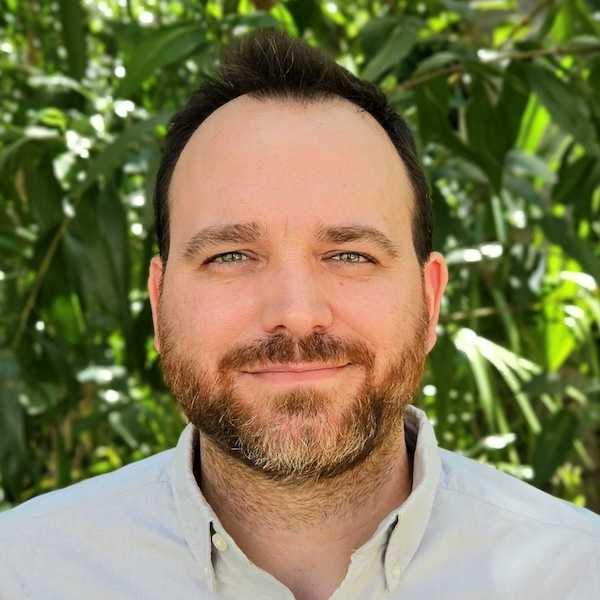
Romain Vaucher
- Senior Lecturer, Sedimentology
- romain.vaucher@jcu.edu.au
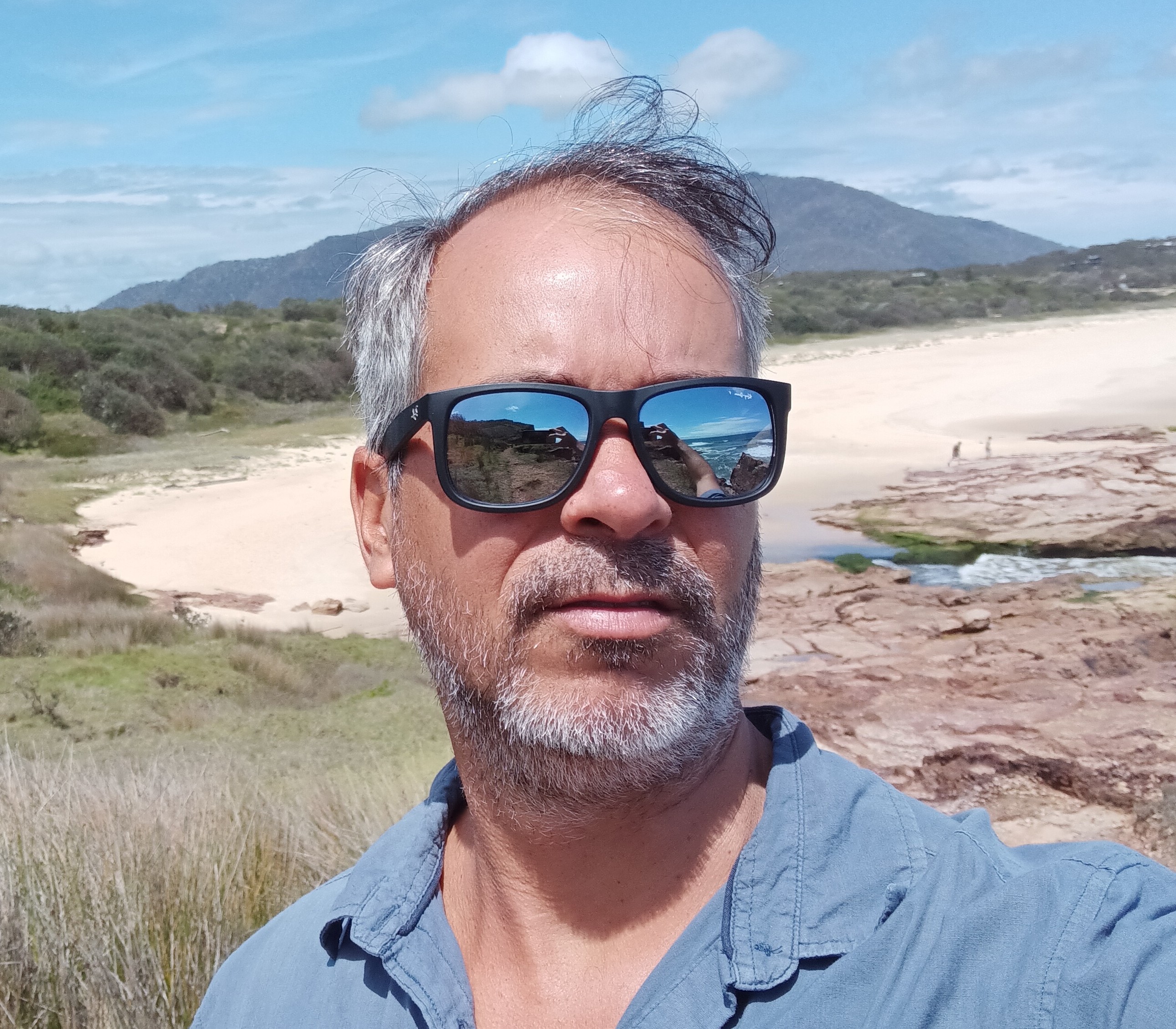
Rafael Cabral Carvalho
- Lecturer, Marine Geoscience
- rafael.cabralcarvalho@jcu.edu.au

Youseph Ibrahim
- Lecturer, Geoscience
- youseph.ibrahim@jcu.edu.au
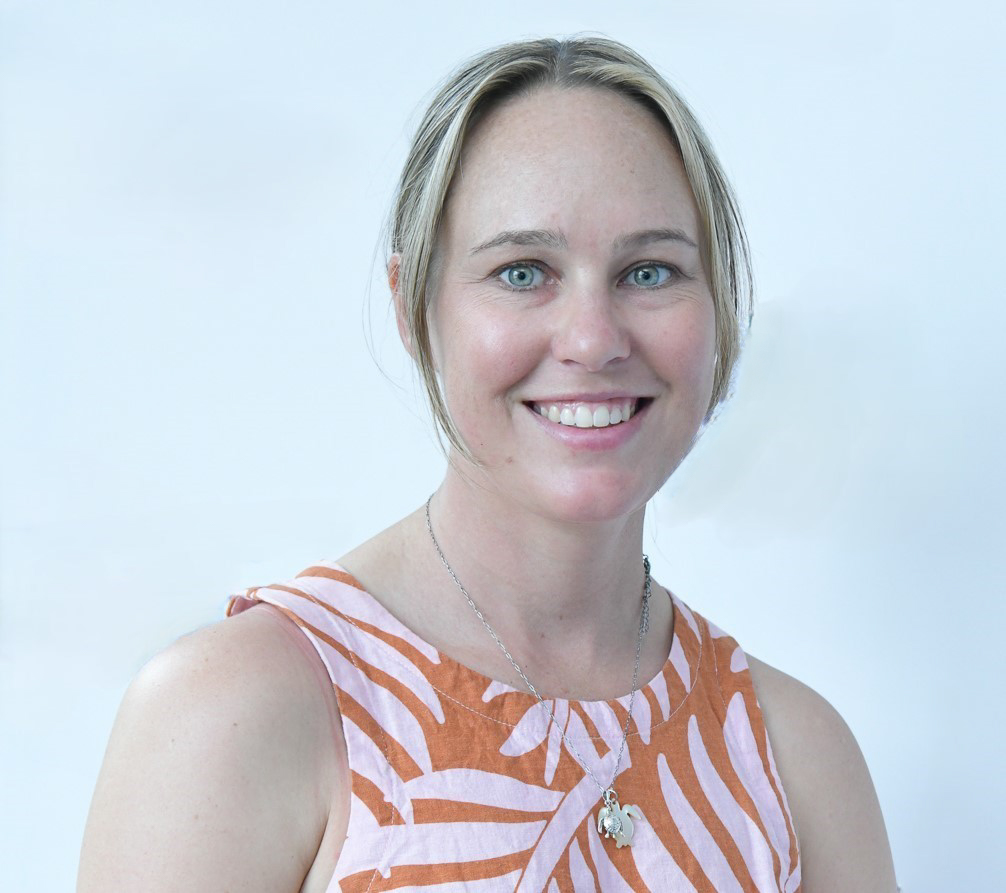
Natalie Robson
- Postdoctoral Research Fellow, Land and Sea Management
- natalie.robson@jcu.edu.au
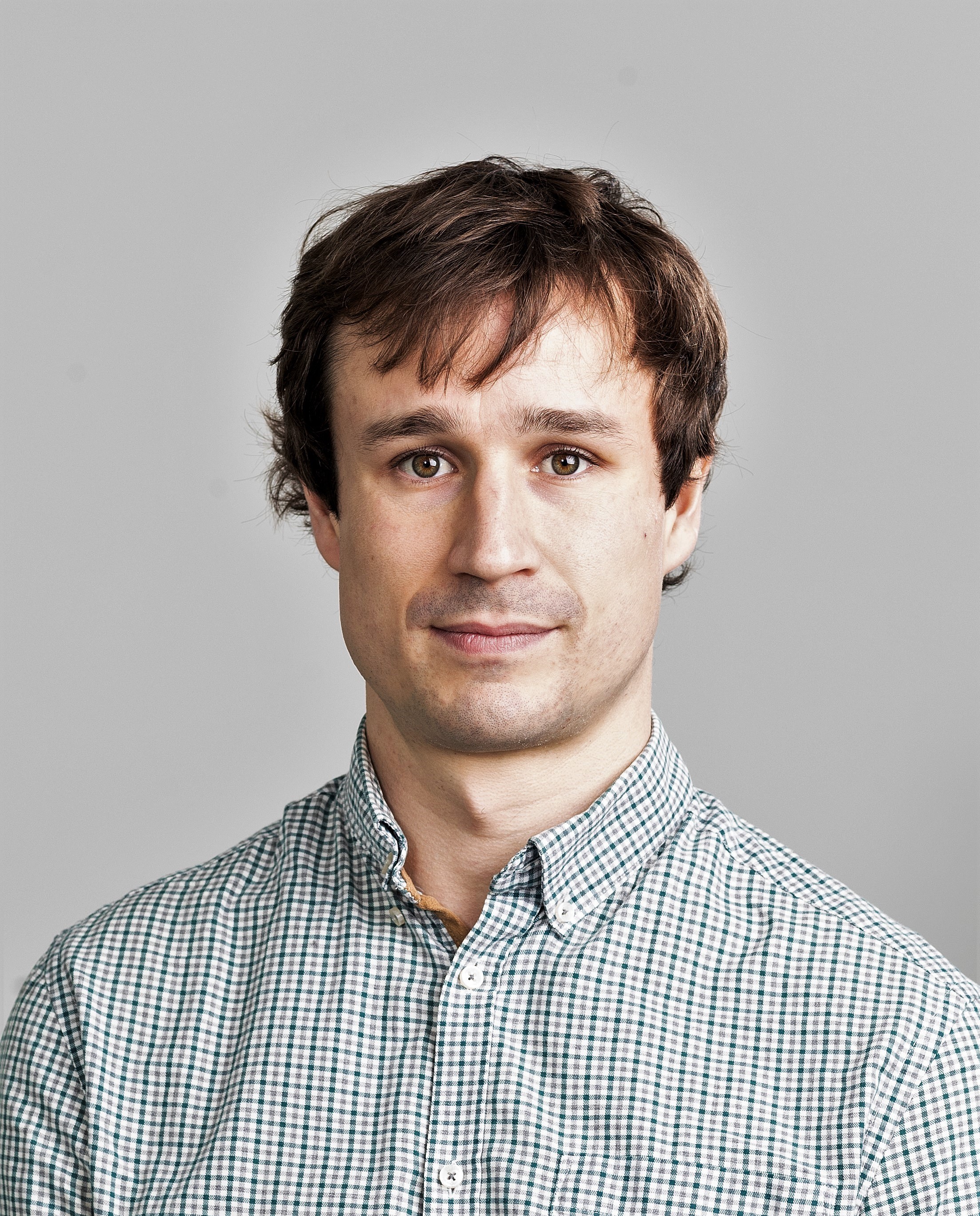
Alexandre Wadoux
- Lecturer, Soil Science
- alexandre.wadoux@jcu.edu.au
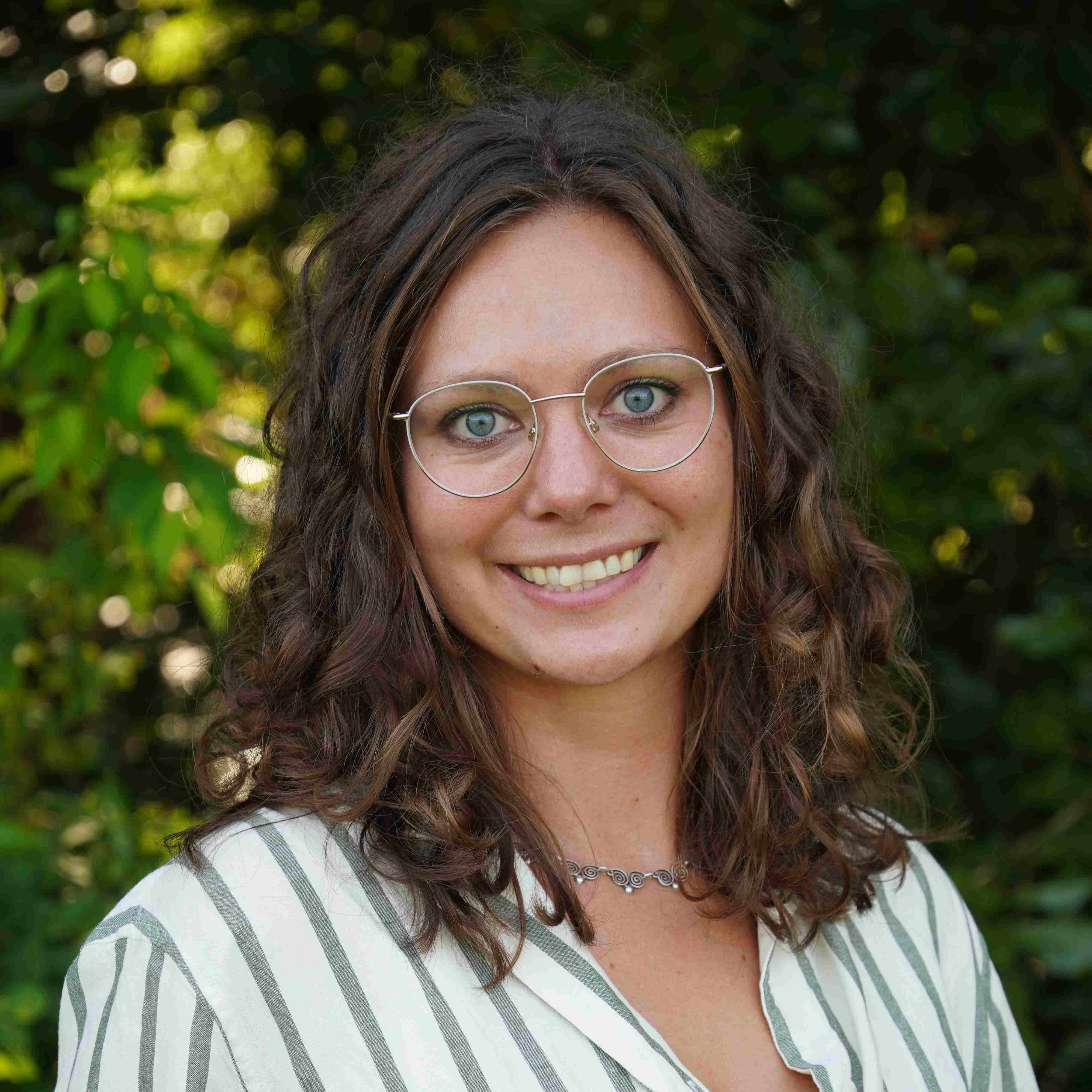
Alica Hoess
- Postdoctoral Research Fellow, Neutron Tomography Scanner
- alica.hoess@jcu.edu.au

Phoebe Stewart-Sinclair
- Lecturer, Environmental Science
- phoebe.stewartsinclair@jcu.edu.au
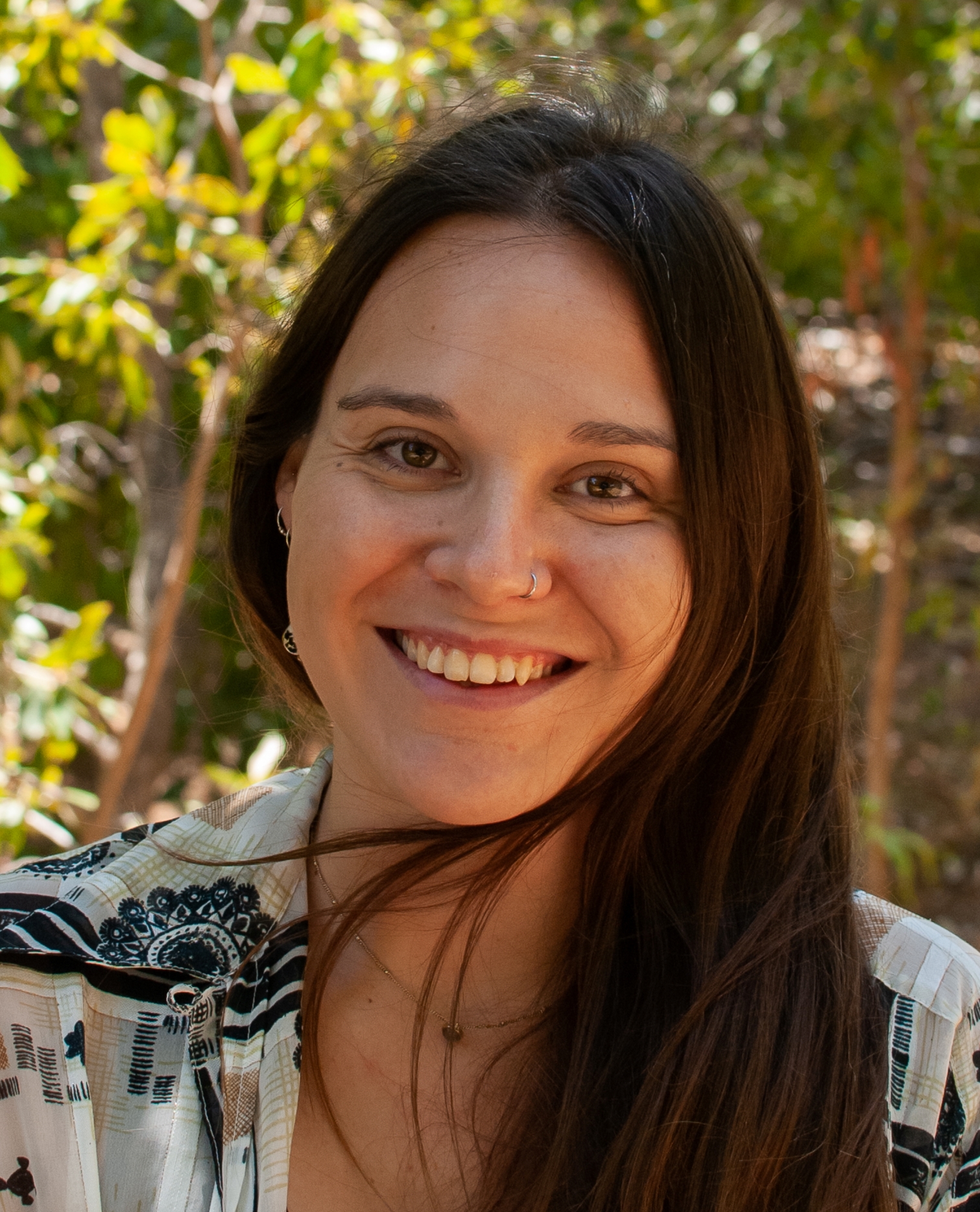
Bethany Smith
- Postdoctoral Research Fellow
- bethany.smith1@jcu.edu.au

Brandon Mahan
- Adjunct Senior Lecturer
- brandon.mahan@jcu.edu.au
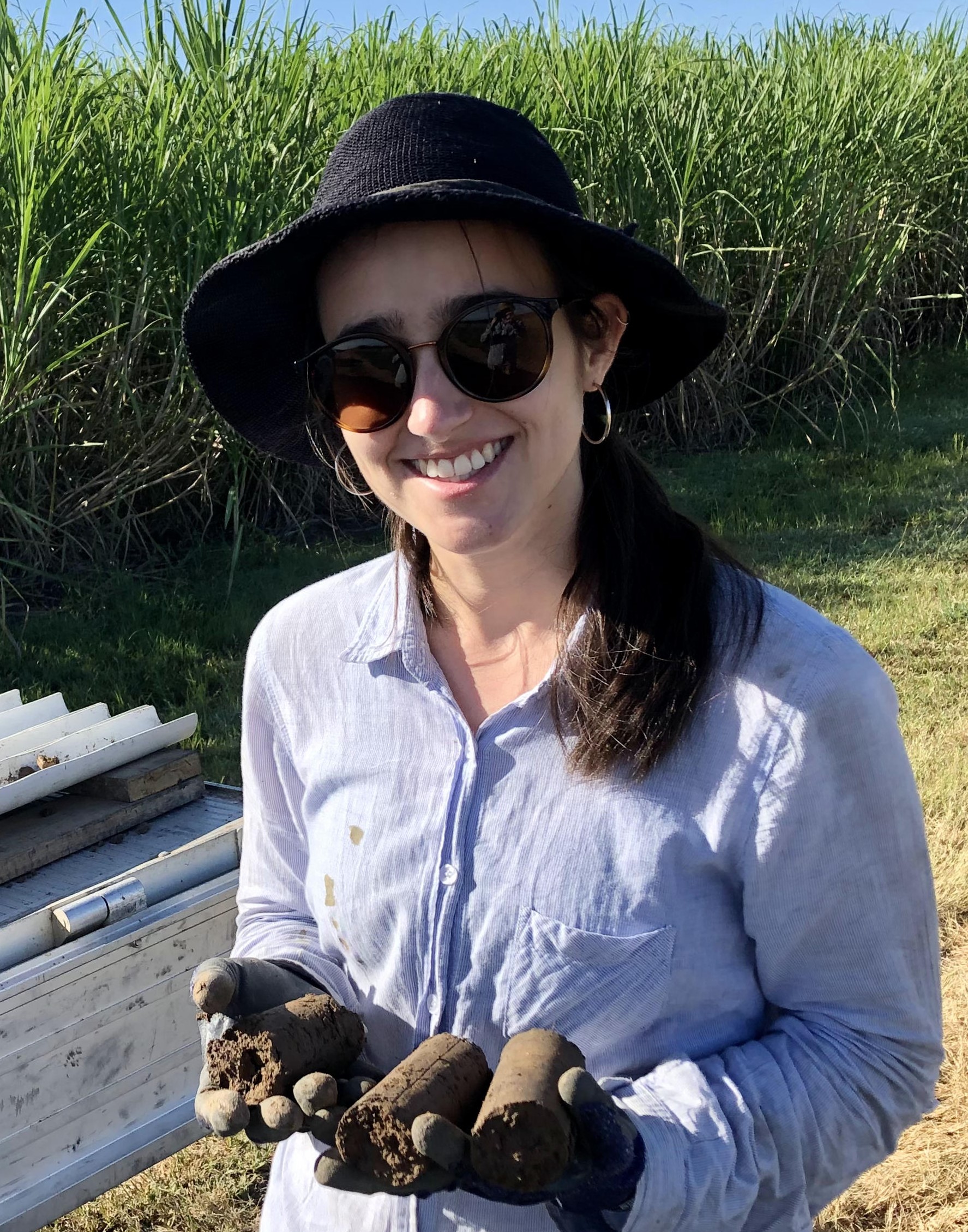
Hannah Green
- Research Officer
- hannah.green@jcu.edu.au
Improving land condition across Southern Gulf rangelands to build resilience to variable and extreme climate
Grant: https://www.business.qld.gov.au/running-business/environment/natural-resource-funding/apply#key-dates
Project description:
Recent extreme climatic events (e.g., the 2019 flood and preceding drought, and the 2023 flood) have had a devasting impact on the Southern Gulf’s grazing industry and local communities, as well as the health and functioning of the region’s sensitive natural assets, including soils, pastures, water, and biodiversity. The occurrence and severity of such extreme climatic events are predicted to increase into the future. The overarching aim of the project is to build resilience in Southern Gulf rangeland production systems to better manage climate variability and extreme climatic events, through improving land condition. Land that is maintained in good condition is less susceptible to severe impacts associated with extreme climatic events and recovers more quickly after events occur. To achieve improved land condition across the region, the project will work directly with X land managers to implement on-ground land management practice changes and/or remediation treatments, spanning an estimated area of X. The effectiveness of these interventions will be rigorously monitoring and evaluated, and the data made publicly available. Key learnings and outcomes will be passed on to the other landholders, NRM groups, Government extension staff and researchers through demonstration sites, field days, communications materials, scientific publications, and capacity building events. Overall, the project will provide much needed new knowledge, information, data, tools, and capacity to better manage and respond to climate variability and extreme climatic events across the Southern Gulf region, and other parts of northern Australia.
Carbon dioxide removal through the enhanced weathering of basalt in acidic soils under sugarcane
Enhanced weathering (EW) offers a potential negative emissions technology. Modelling suggests significant carbon dioxide removal (CDR) but requires field verification. This study quantifies CDR through EW of basalt and examined the influence of soil pH. The experiment received five annual basalt applications of 50t/ha since 2018 and 2.5t/ha lime in 2022. Drainage flux meters were installed to capture leachate during the 2022/23 wet season, and bicarbonate was measured, indicating CDR. Cumulative bicarbonate was not significantly influenced by basalt or lime. CDR was negligible compared to potential bicarbonate generation, with strong acids found to limit in-field CDR. Nitric and organic acids found aligned with fertiliser application, microbial activity and plant root exudation. Acidic soils may require amelioration for CDR through EW, although the neutralising effect of basalt application may reduce CO2 evasion.
‘Planim Fiuja fo Yumi’ - Co-planning climate-smart and equitable livelihood futures with small-scale fishing communities through a participatory and integrated approach to community engagement. (Old ID 30038)
The project will implement a Participatory and Integrated Planning Approach (PIPA) trialled in a previous ACIAR project. The PIPA aims to equip small-scale fishing communities with the information, resources and capacity to pro-actively and autonomously strengthen their livelihoods towards more equitable, sustainable and climate-smart outcomes. The PIPA is underpinned by a risk-based spatial analysis that is used through participatory engagement activities to support a joint understanding of risk and strengths within local land and seascapes. The approach draws on local knowledge, decision making and governance arrangements to enhance customary community-based livelihoods planning, assessment, prioritising and action processes. This project will seek to adapt and extend the PIPA across Solomon Island contexts, and leverage opportunities to scale to other countries in the Pacific and Southeast Asia.
Rare earths unearthed: Resolving the mystery of how rare earth elements are mobilised and concentrated in continental crust (Old ID 19918)
Shifts towards green energy and technology in modern society are dependant on continuing supplies of rare earth elements. Nevertheless, we know little about how these elements concentrate to form economically viable ore bodies, and there remain fundamental holes in our knowledge of how these elements interact with fluids in the Earth's crust. This project combines experiments and novel geochemical studies of natural ores to address these knowledge deficiencies. The results will aid exploration for new rare earth element resources and will contribute to an improved understanding of how continents grow and evolve through time.
LabNorth: Stories of Culture, Arts and Wellbeing in Northern Australia
Northern Australia is stereotyped as devoid of arts and culture in the national imaginary: a place of mine sites, military bases, cattle stations, bogans. Yet the small cities of Darwin, Cairns, Townsville and Broome are vibrant cultural landscapes with important forms of storytelling that struggle for visibility in the policy sphere. A recent focus on developing the North— e.g. the Developing Northern Australia Conference, the White Paper on Developing Northern Australia—recognises the importance of the region to Australia’s future, but narrowly in terms of extensions of water, power and transport infrastructure and accompanied workforce expansion. To date this agenda is silent on the role of arts and culture infrastructure in underpinning the region’s cultural wellbeing, and its economic benefits. This silence underscores the need to uncover, promote, and foster the untold stories and hidden value of the arts in Australia's Northern cities, to ensure that arts and culture take a prominent place in the policies that shape the region’s future.
Using a combination of policy analysis and townhall focus groups, LabNorth’s research will build networks to collaborate across cities, sectors and artforms. We will explore the value of arts and culture, with a focus on articulating this to the public and policy makers. LabNorth’s focus on small cities shines a light on the vital but under-recognised role of the arts in supporting Northern Australian communities and advocate for their inclusion in broader policy discussions. LabNorth will listen, learn, collaborate and co-create stories with the potential to shift narratives about Northern Australia.
Empowering urban heat literacy through field-based learning and community research
In Northern Australia, in tropical cities like Cairns and Townsville, local studies of urban heat islands are under-represented, and opportunities to raise awareness through hands-on learning and community engagement are limited by access to (easy to use) equipment. This grant will enable the purchase of hand held air temperature/humidity sensors and thermal imaging cameras to promote urban heat literacy in tropical Queensland. The research will generate awareness of urban heat island effects, using sensors and cameras to engage the community in real-world data collection and analysis exercises.
EarthBank: An Australian geochemistry network activity enabling the analysis, preservation and discoverability of nationally significant Earth & environmental collections
This project will fund an Earthbank scientist to contribute to the expansion of the Earthbank database and build capacity in earth and environmental sciences.
Organic matter, sodicity and soil structure
- 1998
- Oxford University Press
- Researchers:Paul Nelson
Seafloor morphology and acoustic facies of the George V Land shelf
- 2003
- Researchers:Rob Beaman
Title:
PhD, James Cook University
End Date:
01 Jan 2010
End Date:
01 Jan 2003
Start Date:
01 Jan 2020
End Date:
01 Jan 2025
Start Date:
01 Jan 2023
End Date:
01 Jan 2025
Title:
JCU Distinguished Professor
Start Date:
01 Jan 2010
Start Date:
01 Jan 2012
End Date:
01 Jan 2012
Start Date:
01 Jan 2019
Title:
Malayalam
Title:
English
Title:
Tamil