
Medicine
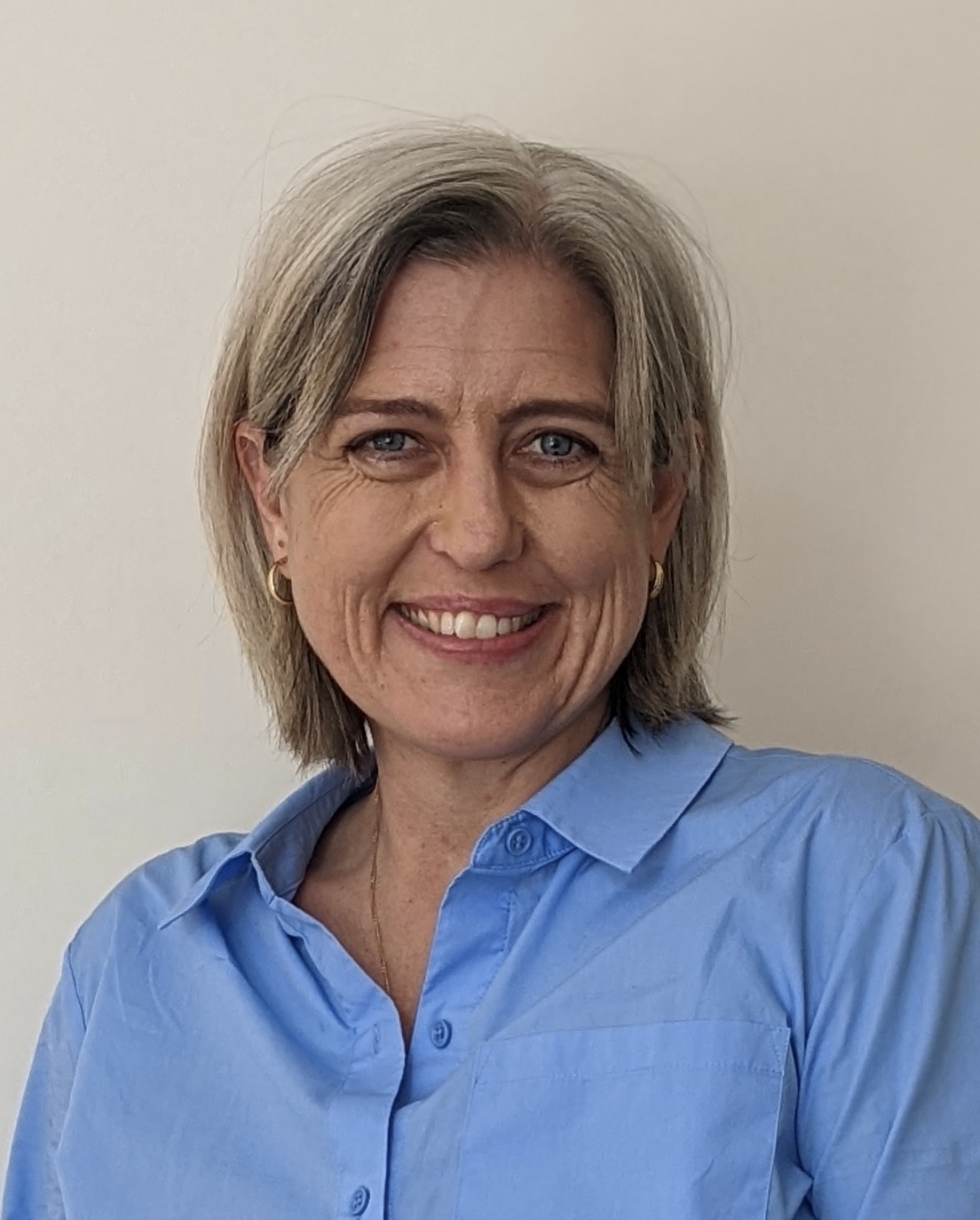
Erin Waters
- JCU Associate Professor
- erin.waters@jcu.edu.au

Shiv Thanigaimani
- Senior Research Fellow, Peripheral Vascular Disease (PVD)
- shiv.thanigaimani@jcu.edu.au

Alkira Deren
- Clinical Research Officer
- alkira.venn@jcu.edu.au

Michael Robinson
- JCU Lecturer
- michael.robinson@jcu.edu.au

Nalita Turner
- Research Officer
- nalita.turner@jcu.edu.au

Bunmi Malau-Aduli
- JCU Professor
- bunmi.malauaduli@jcu.edu.au

Jenna Graffini
- Research Project Manager
- jenna.graffini@jcu.edu.au

Mel Muscat
- Adjunct Research Fellow
- melody.muscat@jcu.edu.au

Yvonne Hornby-Turner
- Adjunct Research Fellow
- yvonne.hornbyturner@jcu.edu.au

Geoffrey Dobson
- Professor
- geoffrey.dobson@jcu.edu.au
Working it Out Together! Aboriginal and Torres Strait Islander led co-design for a strong and deadly health workforce (Old ID 27074)
Building a stable, well-trained and culturally safe health workforce is a crucial part of delivering high quality primary health care (PHC) services. Previous attempts to strengthen rural/remote health workforce have failed, partly because they have not integrated Aboriginal and Torres Strait Islander knowledge and lived experience with necessary policy and systems support. There has been little research into culturally safe strategies to improve workforce stability in complex PHC context. This project will bridge these gaps through a community-led, place-based planning approach, engaging service providers, policy-makers and funders to co-design workforce strategies and models of care that are locally relevant, successful and sustainable. This community-based participatory project uses a mixed methods quasi-experimental pre-post design to implement co-designed actions to explore: How do we systematically embed Aboriginal and Torres Strait Islander perspectives into place-based planning and action for a stable and effective workforce that engenders community trust in local PHC delivery? Working with key sector partners in four service-based rural/remote clusters across Qld, NT and NSW, we will co-design and trial strategies to strengthen workforce competency and stability (by strengthening local career pathways for Indigenous people and strengthening cultural competency of non-Indigenous staff), and use community-centred impact and economic evaluation. Our team is majority Aboriginal and Torres Strait Islander and builds on relationships and learnings developed through our ongoing PHC system improvement work. Each jurisdictional team comprises a local Indigenous PHC service, community-controlled peak body, primary health network, government health department and university partner. This optimal mix will ensure successful implementation of sustainable strategies and translation into policy and practice for improved community access to quality PHC and health outcomes.
Optimisation of Ultra-Small Volume Adenosine, Lidocaine and Mg2+ (ALM) Fluid Resuscitation and 72hr Stabilisation Drip for Uncontrolled Haemorrhage and TBI (Old ID 23011)
The resuscitation and stabilisation properties of ALM 'one-two treatment' will be investigated in rats after uncontrolled blood loss ± traumatic brain injury, and a translational arm in pigs followed for 72hrs to mimic prolonged far-forward retrieval delays. The aim is to show improved survival is associated with improved cardiac function, reduced inflammation, less coagulopathy and less secondary 'it' complications. The ALM therapy has the potential to reduce morbidity and mortality on the battlefield by buying time for treatment, stabilisation and preparedness of causalities for safer evacuation. The study also has broad-spectrum public purpose for pre-hospital trauma and aeromedical transport.
(COMFITE) Efficacy, acceptability and adherence with custom-made footwear in people with a history of diabetes-related foot disease. (Old ID 26968)
Approximately 8% (n=80,000) of Northern Australians have diabetes of whom about a quarter (n=20,000) will develop foot disease putting them at risk of amputation and death and costing ~$24 million each year. The most common cause of diabetes-related foot complications is excessive pressure on an area of an insensate foot. Footwear designed to limit pressure on the feet has been shown to reduce the risk of foot ulcers. The most appropriate type of footwear is however unknown. This pilot clinical trial examines the efficacy and acceptability of footwear designed to the shape of an individuals’ feet using three-dimensional printing.
Proposed development of revised framework for operational and implementation research in health and disease control programmes. (Old ID 27222)
Strong, responsive and resilient health systems are the critical foundation for global health security. Health systems depend on effective functioning of both people and networks in order to implement effective disease control programmes, detect and respond quickly to infectious disease threats and develop evidence-informed policy/practice. The purpose of this work is to develop a revised framework for operational and implementation research (OR/IR) in health and disease control programs. This framework can be used to develop adequate and sustainable OR/IR capacity in public health programs and create an organisational culture of policy and practice that is informed by evidence-informed decision making.
Assessment of the efficacy of a novel treatment for Peripheral Artery Disease (PAD) (Old ID 26206)
Blockage of leg arteries (peripheral artery disease - PAD) leads to severe exertional leg pain (intermittent claudication), impaired walking ability, reduced health-related quality of life, and high risk of amputation and death. Multiple lines of evidence suggest that metformin, a cheap and safe medication, promotes formation of new vessels, improves microcirculation and muscle function,s and limits pain.
Design, implementation, and evaluation of an intervention for a kidney transplant service in northern Queensland (Phase 2)
This study will explore the experiences of kidney transplant recipients and health professionals, perceived barriers to transplantation and ways in which patient experiences could be improved. This data will inform the design of an intervention for the proposed new kidney transplant service for northern Queensland, which will be implemented and evaluated using a prospective cohort study. The expected outcome of this study is that the intervention will influence the development and provision of clinical services for the northern Queensland kidney transplant service, improving patient experiences and clinical outcomes.
Metformin in the management of abdominal aortic aneurysm (MAGIC) (Old ID 25135)
MAGIC will be the first trial to assess the value of metformin wiuth significant preliminary data to suggest it can slow AAA growth. This trial offers the possibility of identifying a new treatment modality for an increasingly common condition, which would markedly change clinical practice.
Tele-DFD: Remotely providing effective healthcare for diabetic foot disease (Old ID 27644)
Current models of care for diabetes-associated foot disease (DFD) management are not sustainable due to the recurring nature of this condition and lead to enormous social and economic burden (~$24 million / year). Models of healthcare that are financially viable and effective at meeting the challenges of the dispersed population of Northern Australia are urgently needed to reduce the rates of DFD-related amputations, and costs associated with preventable hospital admissions and ongoing treatment. This project will test whether a telehealth model of care (Tele-DFD) is more effective at achieving secondary prevention than the current usual face to face consultation model. If effective this model offers the potential of improved health outcomes and substantially reducing geographic disparity and social and economic burden from DFD.
Women's Action for Mums and Bubs (WOMB): A pragmatic trial of participatory women's groups to improve Indigenous maternal and child health (Old ID 23276)
There is strong evidence elsewhere that involving community women in decision-making about strategies to improve the health of mothers and babies is a cheap and effective way of improving health. The WOMB study tests whether community women's groups improve the quality of maternal and child health care and outcomes in Aboriginal and Torres Strait Islander communities, the cost-effectiveness and mechanism of action.
Association of osteoprotegerin with human abdominal aortic aneurysm progression
- 2005
- American Heart Association
- Researchers:Jonathan Golledge
The small abdominal aortic aneurysm
- 2007
- Edizioni Minerva Medica
- Researchers:Jonathan Golledge
Matrix Biology of Abdominal Aortic Aneurysms in Diabetes: Mechanisms Underlying the Negative Association
- 2007
- Informa Healthcare
- Researchers:Jonathan Golledge
The outcome of endovascular repair of small abdominal aortic aneurysms
- 2007
- Lippincott Williams & Wilkins
- Researchers:Jonathan Golledge
Association between osteopontin and human abdominal aortic aneurysm
- 2007
- Lippincott, Williams & Wilkins
- Researchers:Jonathan Golledge
Obesity, adipokines, and abdominal aortic aneurysm: health in men study
- 2007
- American Heart Association
- Researchers:Jonathan Golledge
Start Date:
01 Jan 2012
Start Date:
01 Jan 2012
Start Date:
01 Jan 2009
Start Date:
01 Jan 2009
Start Date:
01 Jan 2007
Start Date:
01 Jan 2002
Start Date:
01 Jan 2002
Start Date:
01 Jan 1996
Start Date:
01 Jan 2002
End Date:
01 Jan 2009
Start Date:
01 Jan 2003
End Date:
01 Jan 2004